Real EstateAugust 13, 2026
What Is Snagging in Dubai Property?
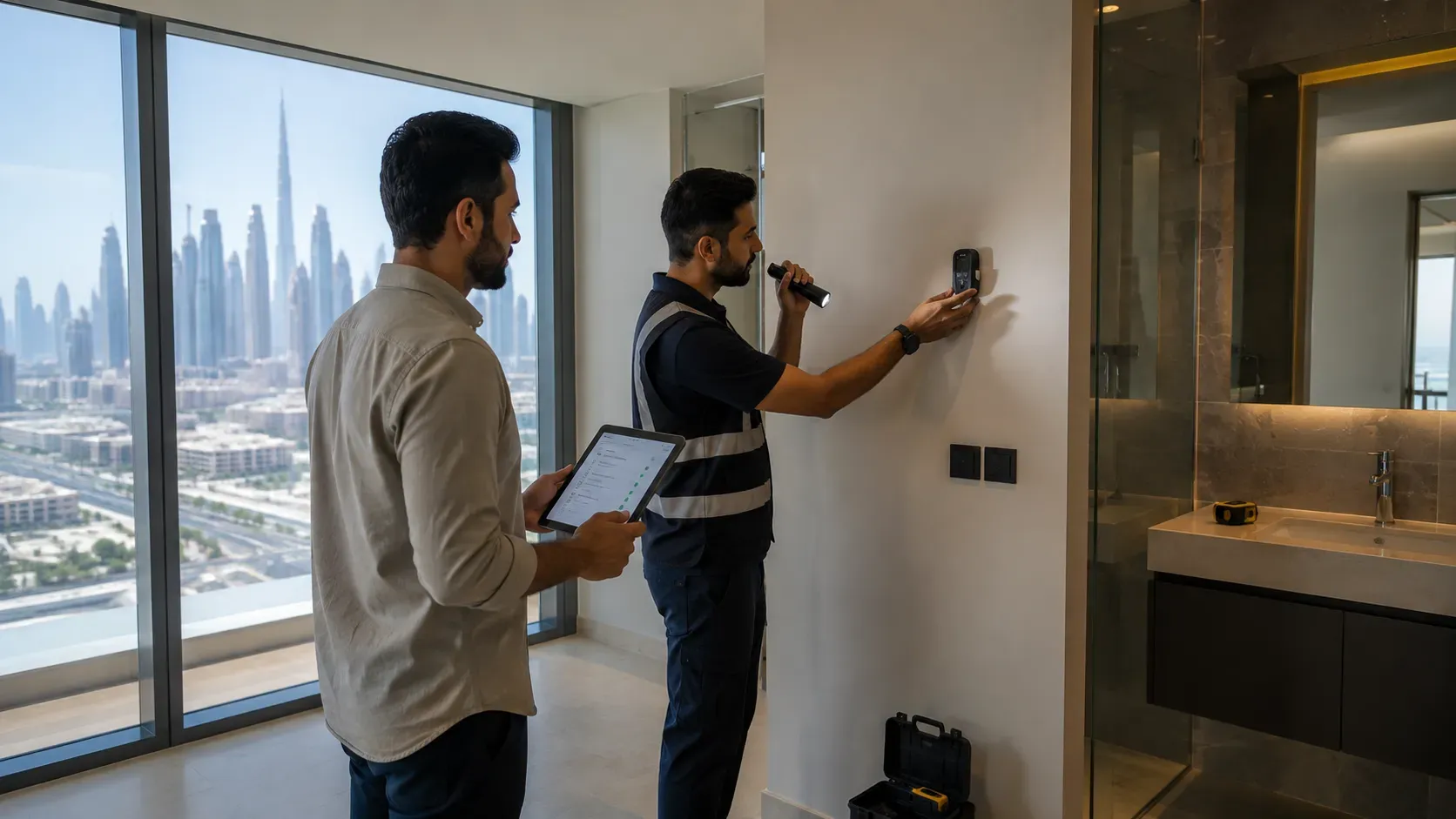
Buying a new property in Dubai can be exciting, but receiving the keys does not necessarily mean everything is perfect.
New apartments, villas and off-plan properties can have small defects, unfinished work or functional problems that are not immediately obvious. Snagging is the process of inspecting a property to identify these issues and documenting them for the developer to fix.
A proper snagging inspection can help ensure that the property you receive matches the agreed specifications and is ready for occupation. Recent Dubai property guidance also recommends carrying out snagging as part of the handover process, before accepting the property.
Quick Answer
Property snagging in Dubai is a detailed inspection carried out before or around handover to identify defects, unfinished work and problems with the property's construction, finishes or systems.
Common snags include:
- Cracked or uneven walls
- Damaged tiles
- Poor paintwork
- Faulty switches or sockets
- Leaking taps or pipes
- Poor drainage
- Faulty air conditioning
- Problems with doors and windows
- Loose fittings
- Balcony or waterproofing issues
The defects are recorded in a snagging report and submitted to the developer for rectification.
Why Is Snagging Important?
A property may look finished during a quick viewing while still containing dozens of small defects.
For example, an apartment may have:
- A window that does not close properly
- Uneven flooring
- A leaking bathroom fitting
- Poorly finished kitchen cabinets
- An electrical socket that does not work
- Weak air-conditioning performance
Finding these issues before or around handover gives you an opportunity to have them documented and addressed.
Property Finder's 2026 handover guidance recommends inspecting areas including doors, windows, flooring, HVAC, electrical systems, plumbing, structural work and finishes.
When Should You Do Snagging?
Ideally, arrange the inspection when the developer says the property is ready for handover and before final acceptance, subject to the developer's process and your SPA.
This gives you time to identify defects before moving into the property.
For off-plan properties, the inspection usually happens when construction is sufficiently complete for the buyer to inspect the unit before handover.
The exact timing can vary by project, so check the handover notice and your Sale and Purchase Agreement.
What Does a Snagging Inspection Check?
A good inspection should go beyond simply looking at the walls.
Walls and Ceilings
Check for:
- Cracks
- Uneven surfaces
- Paint defects
- Water stains
- Dampness
- Poor plastering
- Unfinished areas
Floors and Tiles
Check for:
- Cracked tiles
- Uneven flooring
- Loose tiles
- Gaps
- Poor grout
- Scratches
- Incorrect finishing
Doors and Windows
Check:
- Door alignment
- Locks
- Hinges
- Handles
- Window operation
- Glass damage
- Sealing
- Gaps around frames
Electrical Systems
Test:
- Light switches
- Power sockets
- Lighting
- Intercom
- Distribution board
- Other installed electrical equipment
Plumbing
Check:
- Taps
- Toilets
- Showers
- Water pressure
- Drainage
- Hot water
- Leaks beneath sinks
Air Conditioning
Dubai's climate makes HVAC performance particularly important.
Check:
- Cooling
- Airflow
- Thermostats
- Unusual noises
- Air-conditioning controls
A professional inspection may also use specialised equipment such as thermal cameras or moisture meters to identify issues that are difficult to see during a normal walkthrough.
Check the Kitchen and Bathrooms
Kitchens and bathrooms deserve particular attention because they contain several systems in a relatively small area.
In the kitchen, check:
- Cabinets
- Hinges
- Drawers
- Countertops
- Sinks
- Taps
- Appliances
- Plumbing
- Electrical points
In bathrooms, check:
- Toilets
- Showers
- Taps
- Drainage
- Tiles
- Grouting
- Mirrors
- Cabinets
- Water leaks
Run water where permitted and check whether it drains correctly.
Check Balconies and External Areas
Do not forget the balcony.
Inspect:
- Flooring
- Drainage
- Railings
- Doors
- Glass
- Seals
- Water pooling
- Finishes
Balcony drainage is particularly important because poor drainage or waterproofing can result in water-related problems later.
Should You Hire a Professional Snagging Inspector?
You can perform a basic inspection yourself, but a professional inspection can identify technical problems that may not be obvious to an ordinary buyer.
A professional may inspect:
- Electrical systems
- Plumbing
- HVAC
- Moisture
- Waterproofing
- Finishes
- Windows and doors
- Structural elements
- Safety systems
Professional inspectors may also provide a structured report with photographs and descriptions of each defect.
For a high-value property, the cost of an independent inspection can be relatively small compared with the potential cost of discovering significant defects later.
DIY Snagging vs Professional Inspection
DIY Snagging | Professional Snagging |
|---|---|
Lower cost | Additional inspection cost |
Can identify visible defects | Can identify technical issues |
Requires your own time | Saves buyer time |
Basic tools may be enough | May use specialist equipment |
Suitable for simple checks | Useful for detailed inspections |
Less technical | More comprehensive |
You do not necessarily have to choose one or the other.
A buyer can conduct a personal walkthrough and also arrange an independent professional inspection.
How to Create a Snagging Report
Do not simply tell the developer:
"There are several problems with the apartment."
Create a clear record.
For every defect, include:
- Room or location
- Description of the problem
- Photograph
- Severity
- Required correction
For example:
Location: Master bathroom
Issue: Water remains around the shower area after drainage.
Photo: Attached
Required action: Inspect drainage slope and rectify.
Take photographs and videos wherever useful. Keep copies of everything you submit.
A structured report makes it easier to track whether each issue has been resolved. Property Finder's 2026 guidance also recommends documenting defects with photographs and submitting the report through the developer's official channels.
What Happens After Snagging?
The developer reviews the reported defects and arranges the necessary rectification work according to the project's process and applicable obligations.
After repairs, conduct a re-inspection.
Do not assume that a defect has been fixed simply because the developer says the work is complete.
For example, if you reported a leaking tap, test it again.
If you reported an air-conditioning problem, check the cooling again.
If you reported damaged flooring, inspect the replacement.
Is Snagging Legally Mandatory in Dubai?
A snagging inspection itself is generally not a mandatory legal requirement for every buyer, but it is strongly recommended as part of the handover process.
Recent Dubai property handover guidance describes snagging as an important inspection step rather than a compulsory legal procedure.
Your contractual rights and the developer's obligations can depend on the property, SPA, project and applicable regulations.
Therefore, do not treat a snagging inspection as a replacement for reading your contractual documents.
What About Defects Found After Handover?
Finding a defect after handover does not necessarily mean that the buyer has no recourse.
Defect liability and warranty arrangements can continue after handover, depending on the type of defect, applicable law, developer obligations and contractual terms.
Property Finder's 2026 guidance notes that general defects are commonly covered by a Defect Liability Period, while structural warranties can extend significantly longer depending on the applicable rules and contract.
Therefore, keep:
- Snagging reports
- Photos
- Videos
- Emails
- Developer acknowledgements
- Repair records
- Warranty documents
- Handover documents
If an important defect appears later, report it promptly through the appropriate developer channel and refer to your SPA and warranty terms.
Common Snagging Mistakes
Only Checking Cosmetic Defects
Paint scratches are easy to notice, but plumbing, electrical, HVAC and waterproofing problems can be more important.
Rushing the Inspection
Do not try to inspect an entire property in a few minutes.
Not Taking Photos
Photos provide useful evidence and make it easier to track repairs.
Not Testing Systems
A light switch may look perfectly installed while the electrical circuit has a problem.
Ignoring the Balcony
Waterproofing and drainage issues can become expensive later.
Not Re-Inspecting
Always check whether reported defects were actually corrected.
Relying Only on Verbal Promises
Keep important communications and repair commitments in writing.
Simple Dubai Property Snagging Checklist
Before accepting a newly completed property, check:
- Walls and ceilings
- Paint and plaster
- Flooring and tiles
- Doors and locks
- Windows and glass
- Electrical sockets
- Light switches
- Plumbing
- Water pressure
- Drainage
- Air conditioning
- Kitchen cabinets
- Kitchen appliances
- Bathroom fixtures
- Balcony
- Railings
- Waterproofing signs
- Intercom
- Safety systems
- Parking and access
- Storage areas
- Overall cleanliness and unfinished work
Final Thoughts
Snagging is essentially your opportunity to check that a newly completed property is actually ready to be handed over in the condition promised.
It is not simply about finding scratches on walls. A proper inspection can identify problems involving plumbing, electrical systems, HVAC, flooring, windows, doors, bathrooms, kitchens, balconies and other parts of the property.
The best approach is to inspect systematically, document every significant issue, submit the findings through the developer's official process and re-check the property after repairs.
For buyers, snagging should be viewed as part of property due diligence, alongside reviewing the SPA, property documentation and handover requirements.
If you are researching a Dubai property purchase, Buy Home Dubai can be a useful starting point for exploring properties and understanding the buying process.
Frequently Asked Questions
What does snagging mean in Dubai property?
Snagging means inspecting a property to identify defects, unfinished work or problems that need to be corrected, particularly around the handover stage.
When should I snag my Dubai property?
Ideally, inspect the property when it is ready for handover and before final acceptance, subject to the developer's process and your SPA.
Can I do snagging myself?
Yes. A careful buyer can identify many visible and functional defects. However, a professional inspector may identify technical issues that are difficult to detect without specialist knowledge or equipment.
What are common property snags?
Common issues include damaged tiles, poor paintwork, cracks, faulty sockets, leaking plumbing, drainage problems, HVAC faults, damaged windows and poorly fitted doors.
Is professional snagging worth it?
For many buyers, particularly those purchasing expensive or off-plan properties, an independent professional inspection can provide additional assurance and identify defects that may otherwise be missed.
What should I do after finding defects?
Document each defect with photographs and descriptions, submit the report to the developer through the appropriate channel, retain written records and arrange a re-inspection after repairs.
Can I find defects after handover?
Yes. Some defects may only become apparent after the property is occupied or systems are used. Report them promptly and check the applicable SPA, warranty and defect-liability provisions.
Is snagging mandatory in Dubai?
A snagging inspection is generally not mandatory for every property transaction, but it is strongly recommended during handover to identify and document defects before accepting the property.

Dubai Real Estate
Ready to find your
dream home in Dubai?
Browse thousands of properties across Dubai's most sought-after neighbourhoods. Our experts are ready to guide you.