Real EstateNovember 3, 2026
How to Check If a Dubai Property Has a Mortgage or Lien Before You Buy
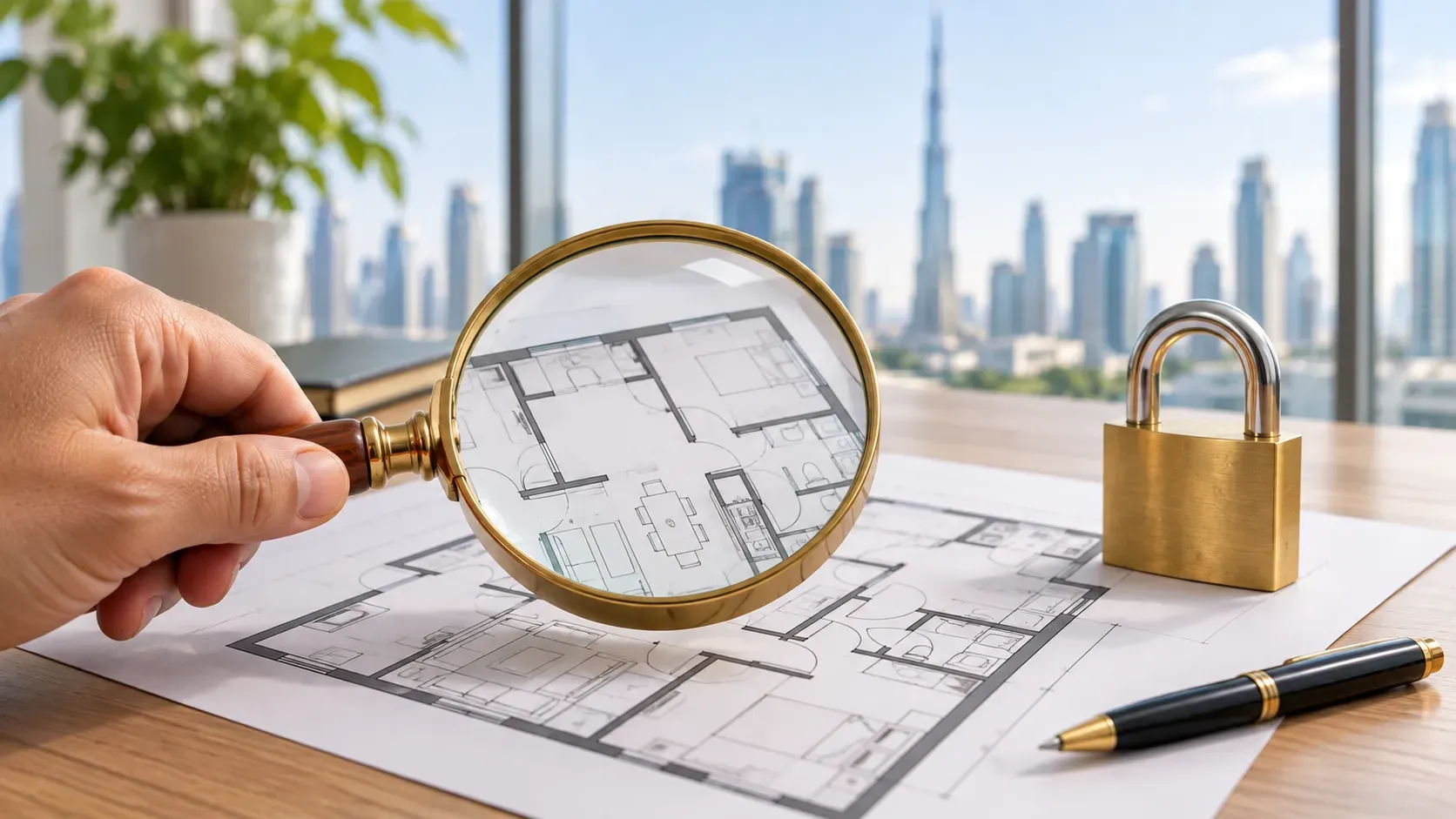
You have agreed a price, the seller seems genuine, and the deposit cheque is almost written. Then a friend asks one quiet question: "Does the owner still have a mortgage on it?" You realise you have no idea.
Knowing how to check if a Dubai property has a mortgage takes about ten minutes and costs less than a lunch. This guide shows you what to request, what the result means and what to do if a mortgage turns up.
Quick Answer
To check if a Dubai property has a mortgage, request the Detailed Property Report from the Dubai Land Department (DLD). It lists the owner, the property and any mortgages, seizures or suspensions registered against it. If a mortgage appears, it is normally settled at transfer, so ask for the bank's settlement details in writing before paying a deposit.
Key Takeaways
- A mortgage on the seller's property is common and not a red flag by itself.
- The DLD Detailed Property Report is the official place to see mortgages, seizures and suspensions.
- The online fee is AED 70 and the report is delivered in about 10 minutes, per the DLD.
- Compare the owner's name and the property details with the seller and the title deed.
- Never pay a large deposit before you know what is registered against the property.
What Is a Mortgage or Lien on a Dubai Property?
A mortgage is a loan secured on the property, so the bank has a registered claim over it until the loan is repaid. Other claims, such as a court seizure, can also be registered against a property. These claims must be cleared or handled before ownership can safely pass to you.
You may hear "lien" used loosely for any of these claims. In Dubai, the practical question is simple: what is registered against this property today?
Why Should You Check Before You Pay a Deposit?
A registered claim can slow down or block your purchase. Checking early protects you in three ways:
- Your money. You learn about the claim before your deposit is at risk.
- Your timeline. A mortgage settlement adds steps, so you can plan for them.
- Your negotiation. If there is a problem, you find out while you still have leverage.
Think of it like checking the service history before buying a used car. The seller may be completely honest, but you still want the record in your hands.
How Do You Request the DLD Detailed Property Report?
The report is an official document from the Dubai Land Department. The DLD's Detailed Property Report service describes what it shows and how to request it.
Follow these steps:
- Get the property details. Ask the seller or agent for the title deed details, building and unit number.
- Open the DLD service. Use the official Dubai Land Department website, not a link sent by the agent.
- Enter the property details and pay the fee.
- Download the report when it is delivered.
- Save a copy for your records and for your lawyer.
According to the DLD, the fee is AED 70 online (AED 50 plus AED 10 knowledge fee and AED 10 innovation fee) or AED 120 at a trustee centre. Delivery takes about 10 minutes. Check the service page for who can request it and the documents you need, as requirements can change.
What Does the Report Show?
The DLD says the report includes the owner, the property, any mortgages, seizures, suspensions and project details. Here is how to read each part:
Section | What to check | Red flag |
|---|---|---|
Owner | The name matches the seller and the title deed | A different name, or a seller who is not the registered owner |
Property | Unit, building, size and type match the listing | Details that differ from the ad or the sale documents |
Mortgages | Whether a bank has a registered mortgage | A mortgage the seller did not mention |
Seizures and suspensions | Whether any legal restriction is registered | Any entry at all, which needs an explanation |
Project details | The project and developer match what you were told | A different project or developer |
If the owner's name does not match, stop and ask questions. For a refresher on what the deed proves, read how a Dubai title deed works.
Can You Use the Dubai REST App Instead?
Possibly, as a quick first look. The DLD's Property Status Inquiry guide explains how to look up a property in the Dubai REST app using the Land No., Makani or Municipality Number.
Keep one caution in mind. The DLD guide explains how to run the inquiry, but it does not list exactly what the result shows. Treat it as a quick status check, and use the Detailed Property Report as your proof of mortgages and seizures.
What If the Property Has a Mortgage?
A mortgage does not mean you cannot buy. Many sellers still owe their bank when they sell. The usual process is that the mortgage is settled as part of the sale and the bank's claim is released at transfer.
Ask the seller or agent to confirm these points in writing:
- Which bank holds the mortgage and the outstanding balance
- How the settlement will happen at transfer
- Who pays any early settlement fee, usually the seller
- What the bank needs to release the property, such as a liability letter or clearance
Buyers also use a bank no-objection certificate during a sale, which is explained in our guide to the NOC in Dubai property deals. Practices vary by bank, so ask your agent and the trustee office to confirm the exact documents.
What Should Happen at Transfer?
The final check is at the transfer itself. Ownership changes at a DLD registered trustee office, and this is where payments and releases are lined up.
Before you attend, confirm:
- The settlement amount and who is paying it
- That the bank's release will be completed as part of the transfer
- That the payment method is agreed in advance (usually manager's cheques)
You can read the full process in how property transfer works in Dubai. Procedures change, so confirm current steps with the DLD or your trustee office. This guide is general information, not legal advice.
Frequently Asked Questions
How do I check if a property in Dubai has a mortgage?
Request the Detailed Property Report from the Dubai Land Department. It lists the owner, the property and any registered mortgages, seizures and suspensions.
How much does the DLD Detailed Property Report cost?
According to the DLD, it costs AED 70 online or AED 120 at a trustee centre. Delivery online takes about 10 minutes. Fees can change, so check the DLD service page.
Can I buy a property that has a mortgage on it?
Yes. Many sellers still have a mortgage when they sell. It is normally settled as part of the transfer, so ask for the bank, the balance and the settlement plan in writing.
Can I check a property with the Dubai REST app?
The DLD offers a Property Status Inquiry in the Dubai REST app using the Land No., Makani or Municipality Number. It is a quick check, but use the Detailed Property Report as proof of mortgages.
What if the owner's name does not match the seller?
Stop and do not pay any deposit. Ask for written proof of authority, such as a valid power of attorney, and have a lawyer review it before you continue.
Your Next Step
Learning how to check if a Dubai property has a mortgage gives you a simple habit that protects every purchase. Request the report, match the name and details, and get any mortgage settlement plan in writing.
Take it one step at a time, and let the paperwork answer your questions before your money does. That calm, informed approach is exactly what BuyHomeDubai helps buyers bring to every property decision.

Dubai Real Estate
Ready to find your
dream home in Dubai?
Browse thousands of properties across Dubai's most sought-after neighbourhoods. Our experts are ready to guide you.