Real EstateJune 23, 2026
How Property Ownership Works in Dubai (Simple Guide)
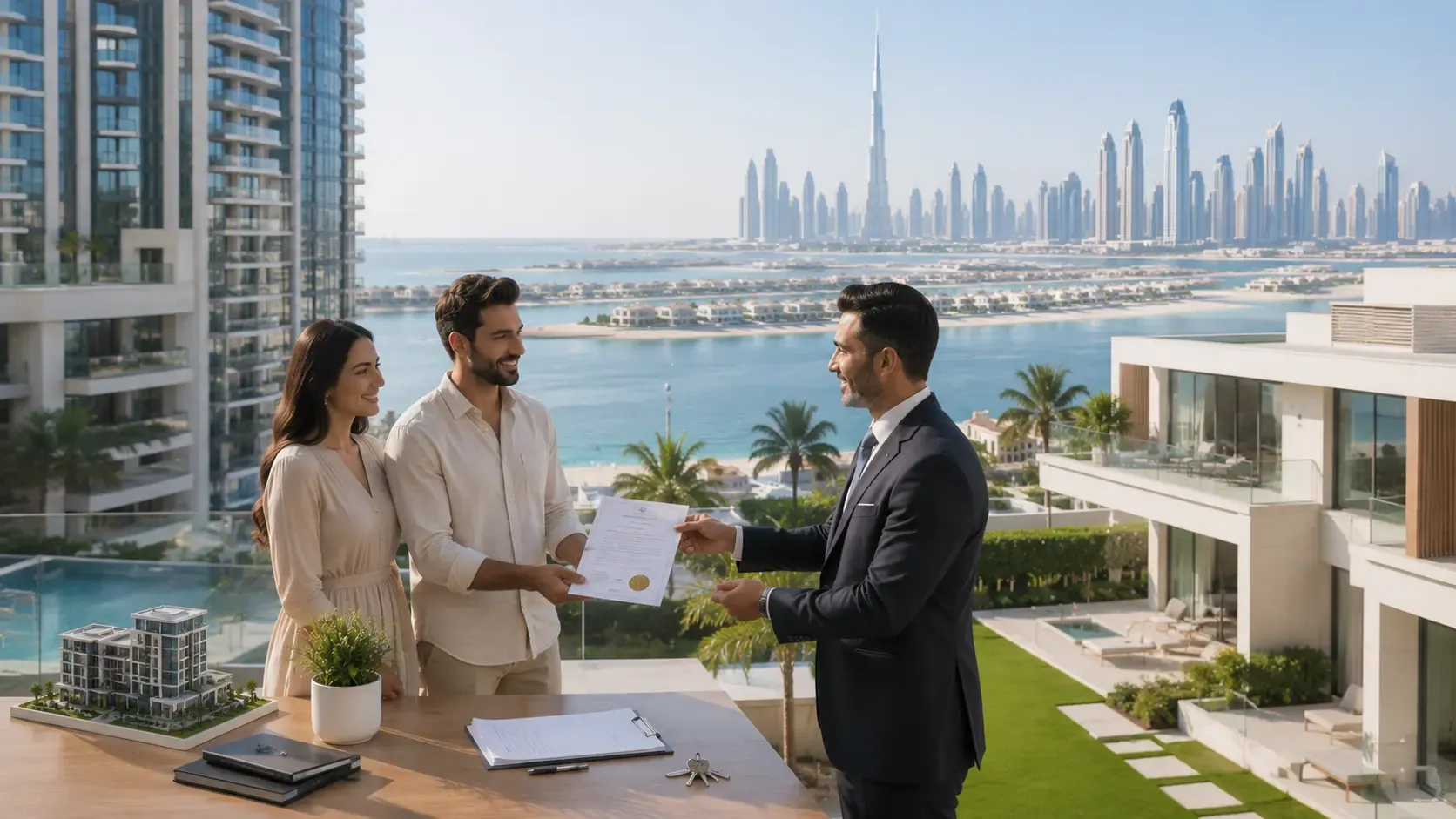
Dubai has become one of the world's leading real estate destinations, attracting homeowners and investors from across the globe. One of the biggest reasons is its transparent property ownership system, which allows both UAE nationals and eligible foreign buyers to own real estate under clearly defined legal frameworks.
If you're considering buying property in Dubai, understanding how ownership works is essential. Knowing the difference between freehold and leasehold ownership, how property registration works, and what rights owners receive can help you make informed decisions and avoid confusion.
This guide explains how property ownership works in Dubai in simple terms.
Quick Answer
Property ownership in Dubai is mainly divided into freehold and leasehold ownership. In designated freehold areas, eligible foreign buyers can own property outright with full ownership rights. All ownership transfers are registered through the Dubai Land Department (DLD), which issues the official title deed confirming legal ownership.
Key Takeaways
- Dubai offers both freehold and leasehold property ownership.
- Eligible foreign buyers can purchase freehold property in designated areas.
- The Dubai Land Department registers all legal property ownership.
- A title deed is the official proof of ownership.
- Property owners can generally sell, lease, inherit, or transfer their property, subject to applicable laws.
- Understanding ownership rights helps buyers choose the right property for their goals.
Why Dubai's Property Ownership System Is Popular
Dubai's real estate market is built on a regulated legal framework designed to increase transparency and investor confidence.
Some reasons buyers are attracted to Dubai include:
- Clearly defined ownership rights
- Government-regulated registration process
- Legal protection for buyers and sellers
- International investment opportunities
- Well-developed freehold market
These factors have helped establish Dubai as one of the most attractive real estate markets for global investors.
Types of Property Ownership in Dubai
Dubai primarily offers two forms of property ownership.
Freehold Ownership
Freehold ownership gives buyers full ownership of both the property and, where applicable, the land it stands on.
Owners generally have the right to:
- Live in the property
- Rent it to tenants
- Sell it
- Transfer ownership
- Pass it to heirs according to applicable laws
Most international buyers purchase property under this ownership model.
Popular freehold communities include:
- Dubai Marina
- Downtown Dubai
- Palm Jumeirah
- Dubai Hills Estate
- Business Bay
- Jumeirah Village Circle (JVC)
Leasehold Ownership
Leasehold ownership gives buyers the right to use a property for a specified lease period rather than owning it outright.
Lease terms commonly extend for several decades, depending on the agreement.
While leaseholders enjoy many occupancy rights, ownership of the land generally remains with the freehold owner.
Leasehold properties may suit certain buyers but offer different long-term rights than freehold ownership.
Who Can Own Property in Dubai?
Property ownership depends on the buyer's eligibility and the property's location.
UAE Nationals
UAE nationals can generally purchase property throughout Dubai, subject to applicable laws and development regulations.
Foreign Buyers
Eligible foreign nationals can purchase freehold property in designated freehold areas.
Foreign ownership has been one of the key drivers behind Dubai's growing international real estate market.
How Property Ownership Is Registered
Every legal property purchase must be registered with the Dubai Land Department (DLD).
The registration process generally includes:
- Completing the sale agreement.
- Verifying buyer and seller documentation.
- Paying applicable government fees.
- Transferring ownership through DLD.
- Issuing the official title deed.
Only after registration is completed does legal ownership officially transfer to the buyer.
What Is a Title Deed?
A title deed is the official legal document confirming ownership of a property.
It typically includes:
- Owner's details
- Property information
- Plot or unit number
- Ownership status
- Registration details
The title deed is one of the most important documents a property owner receives.
What Rights Do Property Owners Have?
Owners of freehold property generally enjoy several important rights.
These include the ability to:
Ownership Right | Description |
|---|---|
Live in the property | Use it as a primary or secondary residence |
Rent it out | Generate rental income |
Sell it | Transfer ownership to another buyer |
Gift or transfer ownership | Subject to applicable legal procedures |
Pass it to heirs | In accordance with UAE inheritance laws and applicable regulations |
These rights make Dubai attractive to both homeowners and investors.
What Responsibilities Come with Ownership?
Owning property also involves ongoing responsibilities.
These may include:
- Paying service charges
- Maintaining the property
- Following community regulations
- Paying utility bills
- Complying with landlord obligations if renting the property
Proper maintenance helps protect both the property's value and long-term investment potential.
Freehold vs Leasehold: At a Glance
Feature | Freehold | Leasehold |
|---|---|---|
Full ownership | Yes | No |
Ownership duration | Permanent | Fixed lease period |
Can sell property | Yes | Subject to lease terms |
Can rent property | Yes | Usually, subject to agreement |
Foreign ownership | Yes, in designated areas | Available in some developments |
Understanding these differences helps buyers choose the ownership structure that best fits their needs.
Can Property Ownership Be Inherited?
Yes.
Property ownership in Dubai can generally be transferred to heirs in accordance with UAE laws and any applicable legal arrangements.
Many property owners choose to seek professional legal advice regarding estate planning to ensure their wishes are properly documented.
Does Ownership Give You Residency?
Owning property does not automatically grant UAE residency.
However, certain property investments may qualify eligible buyers for residency programs if they meet the government's current requirements.
Eligibility depends on factors such as:
- Property value
- Ownership status
- Applicable immigration regulations
Since these rules may change over time, buyers should always verify the latest requirements before making decisions based on residency benefits.
Common Misconceptions About Property Ownership
Some buyers misunderstand how ownership works.
Here are a few common myths:
Myth | Reality |
|---|---|
Foreigners cannot own property | Eligible foreigners can own freehold property in designated areas. |
Property ownership automatically gives citizenship | Property ownership does not grant UAE citizenship. |
All Dubai property is freehold | Some developments are leasehold. |
Buying property guarantees residency | Residency depends on meeting specific eligibility requirements. |
Understanding these distinctions helps buyers avoid unrealistic expectations.
Tips Before Buying Property
Before purchasing, consider the following:
- Confirm whether the property is freehold or leasehold.
- Verify ownership records through official channels.
- Understand all purchase costs.
- Review community service charges.
- Research the developer's reputation.
- Consider your long-term goals before choosing a property.
A little preparation can make the buying process much smoother.
Final Thoughts
Dubai offers one of the region's most transparent and investor-friendly property ownership systems. With clearly defined ownership rights, government-regulated registration, and designated freehold areas for eligible foreign buyers, purchasing property has become more accessible than ever.
Whether you're buying a home to live in or investing for long-term returns, understanding how property ownership works is an important first step toward making informed real estate decisions.
If you're planning to buy, sell, or list property in Dubai, Buy Home Dubai can help you understand your ownership options and find properties that match your goals.
Frequently Asked Questions
Can foreigners own property in Dubai?
Yes. Eligible foreign buyers can own freehold property in designated areas such as Dubai Marina, Downtown Dubai, Palm Jumeirah, Business Bay, Dubai Hills Estate, and JVC.
What is the difference between freehold and leasehold property?
Freehold ownership provides full ownership rights, while leasehold ownership grants the right to use a property for a fixed lease period without owning the land.
Who registers property ownership in Dubai?
The Dubai Land Department (DLD) is responsible for registering property ownership and issuing title deeds.
What is a title deed?
A title deed is the official legal document that confirms ownership of a property in Dubai.
Can I rent out my property after buying it?
Yes. Owners of freehold properties can generally lease their properties, provided they comply with Dubai's rental regulations.
Does buying property in Dubai automatically provide residency?
No. Property ownership alone does not automatically grant residency, although certain investments may qualify eligible buyers for UAE residency programs under current regulations.

Dubai Real Estate
Ready to find your
dream home in Dubai?
Browse thousands of properties across Dubai's most sought-after neighbourhoods. Our experts are ready to guide you.