Real EstateJuly 29, 2026
Annual Cost of Owning Property in Dubai: Complete Cost Breakdown
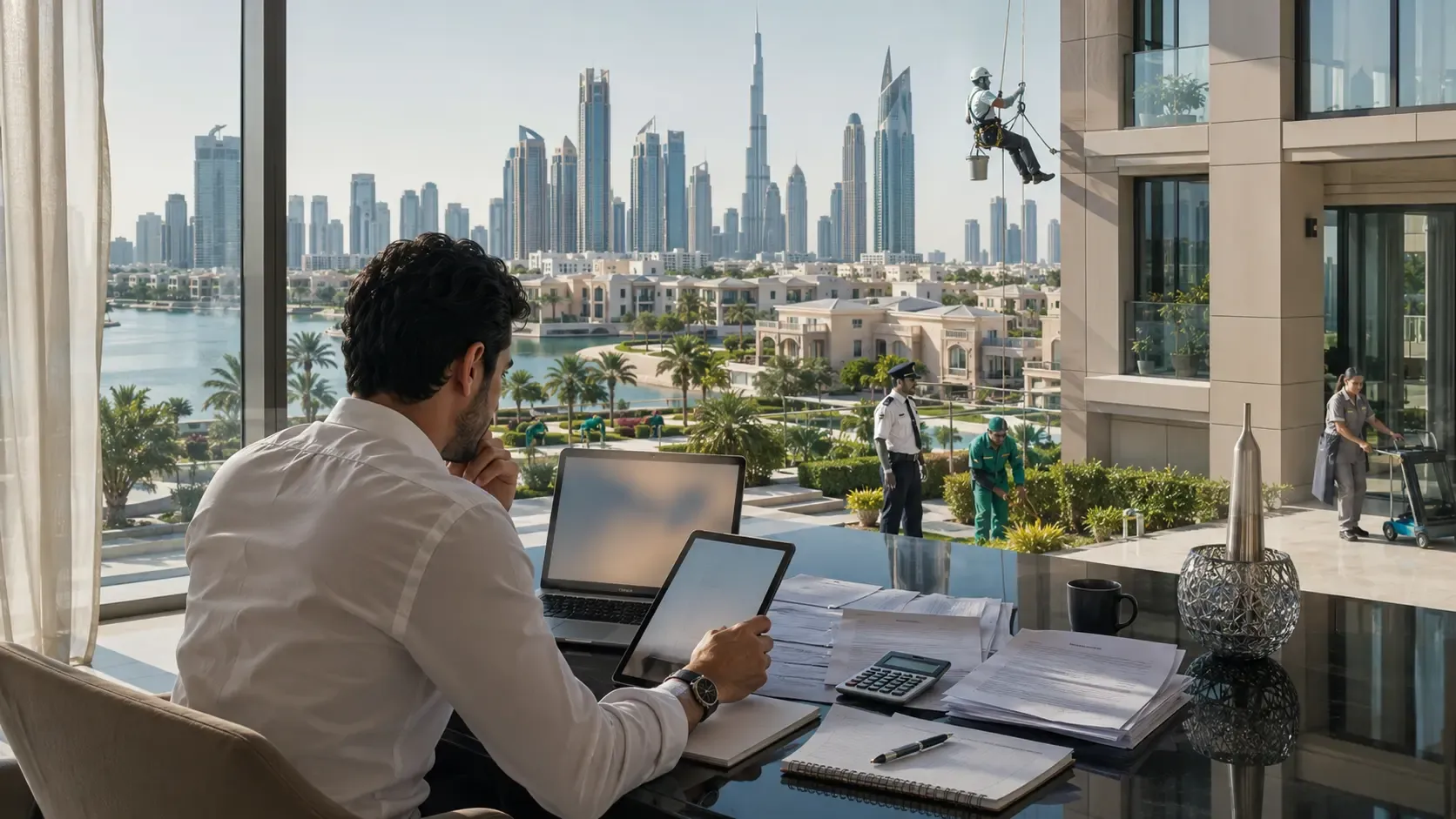
Owning property in Dubai offers numerous advantages, from long-term capital appreciation to rental income and a high standard of living. However, the purchase price is only the beginning of your financial commitment. Every property owner should also budget for the recurring annual expenses that come with maintaining and managing a home.
Whether you own an apartment in Downtown Dubai, a villa in Arabian Ranches, or an investment property in Jumeirah Village Circle (JVC), ongoing ownership costs can vary depending on the property's size, location, community, and available amenities.
Annual expenses typically include service charges, maintenance, insurance, utility bills, and, for rental properties, management fees. Understanding these recurring costs helps homeowners make informed financial decisions and avoid unexpected expenses after completing their purchase.
This guide explains the main annual costs of owning property in Dubai, what influences these expenses, and how to estimate your yearly property budget.
Quick Answer
The annual cost of owning property in Dubai includes recurring expenses such as service charges, maintenance, utilities, home insurance, and, for investment properties, management fees. The total yearly cost varies depending on the property's location, size, community, and amenities.
Key Takeaways
- Annual ownership costs extend beyond the mortgage or purchase price.
- Service charges are usually the largest recurring expense for apartment owners.
- Maintenance costs vary depending on the property's condition and type.
- Utility bills differ based on household size and usage.
- Home insurance provides valuable financial protection.
- Landlords may also need to budget for property management services.
Why Annual Ownership Costs Matter
Many buyers focus on the upfront purchase costs but underestimate the ongoing expenses of owning a property.
Planning for annual ownership costs allows you to:
- Create a realistic household budget.
- Protect your investment.
- Avoid unexpected financial pressure.
- Maintain your property's value.
- Calculate accurate rental returns if you're an investor.
Whether you plan to live in your property or rent it out, understanding these recurring expenses is essential for long-term financial planning.
Annual Service Charges
Service charges are one of the most significant annual expenses for many property owners in Dubai.
These fees are collected to maintain and operate shared facilities within residential buildings and master-planned communities.
Service charges commonly cover:
- Building maintenance
- Security services
- Cleaning of common areas
- Elevator maintenance
- Landscaping
- Swimming pools
- Fitness centers
- Community lighting
- Waste management
- Facility management
The amount payable depends on several factors, including:
- Property size
- Building age
- Community
- Available amenities
- Level of maintenance provided
Luxury developments with premium facilities generally have higher annual service charges than smaller residential buildings with fewer shared amenities.
Before purchasing a property, it's advisable to ask for the latest service charge schedule so you can accurately estimate your ongoing ownership costs.
Property Maintenance Costs
Routine maintenance helps preserve your property's condition and value.
Even newly completed properties require regular servicing and occasional repairs.
Typical maintenance expenses include:
- Air conditioning servicing
- Plumbing repairs
- Electrical maintenance
- Appliance servicing
- Painting
- Pest control
- Door and window repairs
- Minor renovations
Maintenance requirements vary by property type.
Apartments
Apartment owners are generally responsible for maintaining everything inside their unit, while common areas are covered by service charges.
Villas and Townhouses
Owners of villas and townhouses often have additional maintenance responsibilities, including:
- Garden care
- Exterior painting
- Roof repairs
- Boundary wall maintenance
- Driveway repairs
- Irrigation systems
Because villas have more private outdoor space, their maintenance costs are usually higher than those of apartments.
Home Insurance
Although not legally mandatory for every property owner, home insurance is strongly recommended and may be required by mortgage lenders.
A suitable policy can help protect against unexpected financial losses resulting from events such as:
- Fire
- Water damage
- Theft
- Storm damage
- Public liability
- Damage to personal belongings
Insurance premiums depend on several factors, including:
- Property value
- Property type
- Coverage limits
- Insurer
- Optional add-ons
Comparing policies from multiple providers can help homeowners find the most appropriate coverage at a competitive price.
Utilities and Cooling Charges
Utility bills form another important part of annual ownership costs.
Depending on your property and community, recurring utility expenses may include:
- Electricity
- Water
- District cooling (where applicable)
- Gas
- Internet
- Television services
Several factors influence annual utility costs, including:
- Property size
- Number of occupants
- Air conditioning usage
- Seasonal weather
- Energy-efficient appliances
Larger villas typically consume more electricity and water than smaller apartments, particularly during the summer months when cooling demand is highest.
Homeowners can reduce annual utility expenses by:
- Installing energy-efficient lighting.
- Using smart thermostats.
- Maintaining air conditioning systems regularly.
- Choosing energy-efficient appliances.
- Reducing unnecessary water consumption.
Factors That Influence Annual Ownership Costs
No two properties have identical annual expenses.
The overall cost of ownership depends on several factors:
Property Type
Villas generally cost more to maintain than apartments because of their larger size and additional outdoor areas.
Community
Luxury communities with extensive facilities often have higher service charges than smaller residential developments.
Property Size
Larger homes usually result in higher utility bills, insurance premiums, and maintenance expenses.
Occupancy
A property occupied throughout the year typically incurs higher utility and maintenance costs than one used occasionally.
Property Age
Older properties may require more frequent repairs and replacement of systems such as plumbing, electrical wiring, and air conditioning.
Budgeting for Annual Costs
Creating an annual property budget helps prevent financial surprises.
When estimating yearly ownership costs, consider including:
- Service charges.
- Routine maintenance.
- Emergency repairs.
- Utility bills.
- Home insurance.
- Property management fees (if renting out the property).
- General contingency fund.
Reviewing these expenses each year allows homeowners to adjust their budgets based on changing utility usage, maintenance requirements, and community fees.
Property Management Fees
If you own a property as an investment and rent it out, you may choose to hire a property management company to handle day-to-day responsibilities.
Property management services can include:
- Marketing the property
- Finding and screening tenants
- Preparing tenancy agreements
- Rent collection
- Coordinating maintenance
- Property inspections
- Tenant communication
- Move-in and move-out management
While self-managing a property can reduce costs, many overseas investors and busy professionals prefer professional management for convenience and peace of mind.
Before appointing a property manager, compare service packages, management fees, and the scope of services offered.
Community Fees and Lifestyle Costs
Some master-planned communities may have additional recurring expenses beyond standard service charges.
Depending on the development, homeowners may choose to spend on:
- Private club memberships
- Sports and recreation facilities
- Marina services (where applicable)
- Golf club memberships
- Premium concierge services
- Lifestyle amenities
These costs are generally optional but should be considered when purchasing property in luxury developments.
Annual Ownership Cost Checklist
The following table summarises the most common yearly property ownership expenses.
Annual Expense | Applies To |
|---|---|
Service charges | Most apartments, townhouses, and villas |
Routine maintenance | All property owners |
Home insurance | Recommended for all owners; often required for mortgaged properties |
Electricity and water | Occupied properties |
District cooling (where applicable) | Certain communities |
Internet and TV services | Optional |
Property management fees | Rental property owners |
Garden and landscaping | Mainly villas |
Pest control | Recommended |
Emergency repairs | All properties |
Using this checklist each year can help ensure that your property budget remains complete and realistic.
Sample Annual Budget Planning
Although actual costs vary between communities and property types, a simple budget framework can help homeowners plan ahead.
Expense Category | Budget Status |
|---|---|
Service charges | ✓ Essential |
Maintenance reserve | ✓ Essential |
Utilities | ✓ Essential |
Home insurance | ✓ Recommended |
Property management | ✓ If renting out |
Emergency fund | ✓ Strongly recommended |
Lifestyle and optional memberships | Optional |
Rather than waiting for unexpected bills, setting aside funds throughout the year can make property ownership much more manageable.
Tips to Reduce Annual Ownership Costs
While some expenses are unavoidable, homeowners can take practical steps to reduce ongoing costs.
Maintain Your Property Regularly
Routine inspections and preventive maintenance often cost less than major repairs caused by neglected issues.
Improve Energy Efficiency
Simple upgrades such as LED lighting, efficient appliances, and smart thermostats can reduce electricity consumption.
Compare Insurance Policies
Review your insurance coverage annually and compare quotes from different providers to ensure you're receiving suitable protection at a competitive price.
Understand Service Charges Before Buying
When comparing properties, ask about annual service charges as part of your purchase decision. Lower purchase prices do not always mean lower long-term ownership costs.
Build a Maintenance Reserve
Setting aside money each month for future repairs can help you handle unexpected maintenance without disrupting your finances.
Common Budgeting Mistakes
Many property owners underestimate the true annual cost of ownership.
Some of the most common mistakes include:
- Focusing only on the purchase price.
- Forgetting annual service charges.
- Ignoring future maintenance needs.
- Underestimating utility bills.
- Not budgeting for emergency repairs.
- Choosing insurance based only on price.
- Overlooking property management costs for rental properties.
Avoiding these mistakes can make homeownership more predictable and financially sustainable.
Annual Cost Planning Checklist
Before each financial year, review the following:
- Service charges confirmed.
- Maintenance budget updated.
- Insurance policy renewed.
- Utility costs reviewed.
- Emergency repair fund available.
- Property management agreement reviewed (if applicable).
- Annual household budget updated.
Completing this checklist each year can help you stay in control of your property expenses.
Final Verdict
Owning property in Dubai involves more than making the initial purchase. Annual expenses such as service charges, maintenance, utilities, insurance, and property management play an important role in the total cost of ownership.
By understanding these recurring costs before buying, homeowners and investors can plan their finances more effectively, protect their investment, and avoid unexpected expenses throughout the year.
Whether you're purchasing your first apartment, a family villa, or an investment property, creating a realistic annual budget is one of the smartest ways to ensure long-term financial success.
If you're planning to buy, invest in, sell, or list property in Dubai, Buy Home Dubai can help you compare communities, understand ownership costs, and choose a property that matches both your lifestyle and long-term financial goals.
For more helpful insights, you may also enjoy our guide on Hidden Costs of Buying Property in Dubai to better understand the financial aspects of property ownership.
Frequently Asked Questions
What is the biggest annual cost of owning property in Dubai?
For many homeowners, annual service charges are the largest recurring expense, particularly in apartment buildings and communities with extensive shared amenities.
Do villa owners pay service charges?
Yes. Many villa communities charge service fees for maintaining shared infrastructure, landscaping, security, and communal facilities, although the amount varies by development.
Is home insurance mandatory in Dubai?
Home insurance is not mandatory for every property owner, but it is highly recommended. Mortgage lenders often require insurance as part of the financing agreement.
Are utility bills included in service charges?
Generally, no. Electricity, water, district cooling, internet, and other household utilities are usually billed separately from annual service charges.
Should landlords hire a property management company?
It depends on individual circumstances. Owners who live overseas or have multiple investment properties often benefit from professional property management services, while others may prefer to manage their properties independently.
How can I reduce annual property ownership costs?
Regular maintenance, energy-efficient appliances, preventive repairs, comparing insurance policies, and budgeting for recurring expenses can all help reduce long-term ownership costs.
Why should I calculate annual ownership costs before buying?
Understanding yearly expenses provides a clearer picture of the true cost of ownership, helping buyers make informed decisions, compare properties accurately, and budget confidently over the long term.

Dubai Real Estate
Ready to find your
dream home in Dubai?
Browse thousands of properties across Dubai's most sought-after neighbourhoods. Our experts are ready to guide you.